IDF Delivers Decisive Blow: Iranian F-14 Fighter Jets Destroyed in Pre-emptive Strikes
In a series of dramatic military operations signaling a significant escalation of tensions in the Middle East, the Israeli Defense Force (IDF) has successfully carried out precision strikes that resulted in Iranian F-14 fighter jets destroyed, crippling a key component of Tehran's aging but strategically vital air power. The initial assault, executed by an IDF drone, targeted an airbase near Tehran, eliminating two F-14 Tomcats mere minutes before their scheduled launch. This was followed shortly thereafter by a subsequent Israeli Air Force (IAF) strike in central Iran, which reportedly neutralized three additional F-14s. These coordinated operations represent a substantial blow to Iran's aerial capabilities and underscore Israel's proactive stance against perceived threats.
A Calculated Strike: Unpacking the Tehran Airbase Operation
The initial strike, which unfolded on June 16, 2025, involved an IDF drone executing a highly precise attack on an airbase just outside Tehran. Surveillance footage released by the IDF Spokesperson’s Unit vividly depicted the drone locking onto its targets – two Iranian F-14 fighter jets – poised for immediate operational deployment. The timing was critical, with the jets reportedly mere minutes away from takeoff, highlighting the intelligence and operational sophistication behind the strike.
According to the IDF, this was no opportunistic hit. Air Force intelligence had been meticulously tracking the launch crew and associated hardware for several days, gathering comprehensive data on their movements and readiness. This intensive surveillance operation was further bolstered by Israeli Air Force aircraft, which played an indispensable role in identifying precise launcher positions and mapping out adjacent weapon stockpiles. This detailed intelligence fusion enabled the drone strike to be conducted with surgical accuracy, minimizing collateral damage while maximizing operational impact.
The precision extended beyond merely eliminating the F-14s. The IDF confirmed that the operation neutralized not only the iconic fighter jets but also their critical support systems and, crucially, the launch team itself. Furthermore, intelligence indicated the presence of other aerial threats, including drones loaded within nearby containers, which were also neutralized before they could be deployed. This multi-layered approach demonstrates a strategic intent to avert a potential, multi-faceted threat to Israeli airspace, showcasing the comprehensive nature of Israel’s pre-emptive doctrine.
Expanding the Blow: Further F-14 Losses in Central Iran
Hot on the heels of the Tehran airbase success, the Israeli Air Force launched a separate, equally impactful operation in central Iran. This follow-up strike, conducted by IAF fighter jets, targeted and destroyed an additional three Iranian F-14 fighter jets. While specific details regarding the exact location and circumstances of this second strike remain less publicized than the initial drone attack, its strategic implications are profound. The cumulative loss of five F-14 Tomcats represents a significant degradation of Iran's most capable, albeit aging, conventional air assets. This dual assault further emphasizes Israel's resolve to neutralize threats deeply within Iranian territory and underscores the precision capabilities of both its drone and manned aircraft fleets.
These consecutive strikes have sent ripples through regional defense circles, signaling Israel's unwavering commitment to disrupting what it perceives as immediate and credible threats. The targeting of these specific aircraft highlights their perceived strategic value to Iran and, consequently, their criticality as targets for Israel. For more on this ongoing development, refer to Israel Targets Iranian Air Power: F-14 Jets Hit in Pre-emptive Strike.
Why the F-14 Matters: A Legacy of Power and Vulnerability
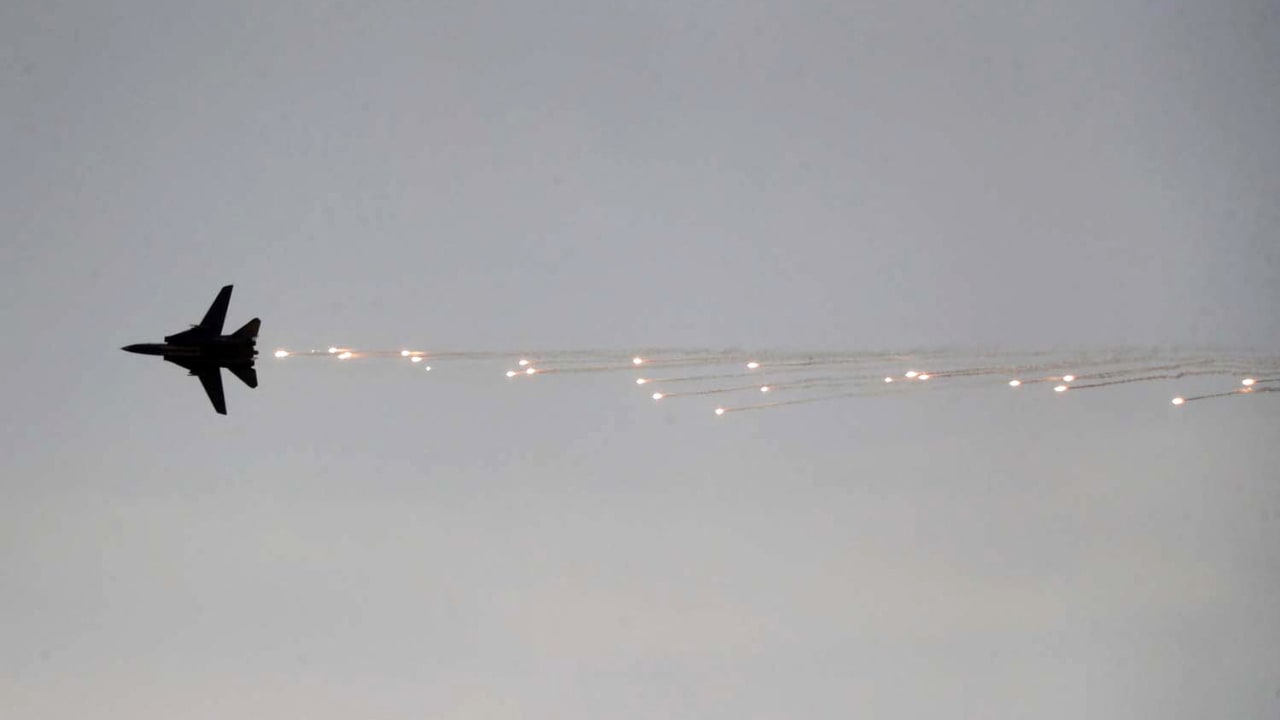
The F-14 Tomcat is more than just an old fighter jet; it represents a unique chapter in Iran’s military history and a testament to its ingenuity under decades of sanctions. Originally sourced from U.S. military stockpiles during the Shah’s era, Iran acquired 79 F-14As before the 1979 revolution. By 2025, these jets are incredibly scarce globally and have become strategic assets within Iran’s military structure due to their formidable capabilities as long-range interceptors and the sheer difficulty of replacing them.
For Iran, maintaining these sophisticated, Western-built aircraft for over four decades, often without direct access to original spare parts or technical support, has been an immense challenge. Iranian engineers and technicians have reportedly reverse-engineered components, developed indigenous upgrades, and scoured black markets to keep a limited number of F-14s airworthy. This extraordinary effort speaks volumes about the Tomcat's perceived value within the Iranian Air Force. Its long-range radar, ability to carry the formidable AIM-54 Phoenix missile (even if aged and likely modified), and general performance still made it a potent symbol of aerial defense and a potential deterrent.
However, the recent strikes brutally exposed the dual nature of relying on such legacy systems. While demonstrating remarkable resilience in maintenance, the F-14s remain susceptible to modern precision warfare. Against advanced drones and stealth-capable fighter jets, their age becomes a critical vulnerability, especially when caught on the ground or without adequate air defense cover. The destruction of these F-14 fighter jets signifies a serious blow not just to Iran's operational aerial capabilities but also to its technological pride and strategic flexibility.
- Fact: The F-14 Tomcat was one of the first Western fighters designed with variable-sweep wings, allowing optimal performance across a wide range of speeds.
- Insight: Iran's ability to maintain these jets highlights a deep-seated engineering capability, but also underscores their isolation from modern military aviation markets.
The Broader Geopolitical Ripple Effect: Escalation and Pre-emption
These Israeli strikes against Iranian F-14 fighter jets are not isolated incidents but rather critical maneuvers within a broader, long-running conflict dynamic between Israel and Iran. This "shadow war," often fought through proxies, cyberattacks, and covert operations, has now taken a very public and direct turn, involving high-value military assets.
Israel's doctrine of pre-emptive strikes is well-established, rooted in its perceived need to neutralize threats before they materialize. The IDF's justification that the F-14s and other aerial threats were minutes from launch aligns perfectly with this strategy. The goal is often to degrade an adversary's capabilities, deter future aggression, and send a clear message about operational red lines. However, regional military analysts are already warning that such bold actions may provoke retaliatory missile or drone attacks from Iran and its proxies, potentially escalating hostilities across the Middle East to unprecedented levels.
The precision nature of these strikes, while demonstrating advanced military capabilities, also carries inherent risks. While aiming to avoid wider civilian casualties, directly targeting military infrastructure within another sovereign nation's borders is an act of war by many definitions. The focus on high-value targets like the F-14s suggests a deliberate effort to inflict strategic damage rather than broad destruction, yet the impact on regional stability remains volatile.
- Strategic Takeaway: The use of advanced drones for precision strikes against static targets significantly reduces risk to the attacking force while maintaining high destructive capability. This technology is reshaping modern warfare.
- Consideration: The strikes test the limits of deterrence. Will Iran's response be calibrated, or will it seek a more significant escalation to save face?
Implications for Iran's Aerial Doctrine and Future Capabilities
The loss of five of its most prestigious fighter jets will undoubtedly force Iran to undertake a significant reassessment of its aerial defense and offensive strategies. With its F-14s becoming even scarcer, Iran's conventional air force capabilities are severely diminished. This could accelerate its pivot towards asymmetric warfare assets, such as ballistic missiles and an expanded fleet of indigenously developed drones, which are harder to detect and intercept.
Furthermore, these strikes highlight the urgent need for Iran to modernize its air force, a task made incredibly difficult by international sanctions. The ability to acquire modern fighter jets from other nations is severely limited, pushing Iran to rely further on older platforms or its own, often less sophisticated, designs. The psychological impact on Iranian military morale and the perception of its strength among regional adversaries and allies alike cannot be underestimated. The destruction of "f-14 fighter jets destroyed" marks a turning point, not just in this specific confrontation, but in the evolving dynamics of air power in the Middle East.
In the short term, Iran may bolster its air defense systems around key military installations and reconsider the operational deployment of its remaining high-value assets. In the long term, it will likely intensify efforts to develop more advanced indigenous drone and missile technologies, potentially seeking to compensate for conventional air power deficiencies. This incident could, therefore, inadvertently spur further innovation in asymmetric capabilities, contributing to an even more complex and unpredictable regional security landscape.
The IDF's successful operations, resulting in five Iranian F-14 fighter jets destroyed, mark a significant moment in the ongoing regional conflict. These precision strikes underscore Israel's advanced intelligence and operational capabilities, while dealing a serious blow to Iran's conventional air power. As the dust settles, the international community watches closely for Iran's response, fully aware that these actions could ignite a more direct and dangerous phase in the volatile Middle East. The loss of these strategic F-14s reshapes the immediate military balance and sets the stage for potential escalations, making the careful management of regional tensions more critical than ever.